
Phone
Rockview Health Centre - Building 1, Calgary
Phone
Rockyview Health Centre – Building 1, Calgary

Looking for hemorrhoid surgery in Calgary?
For external, mixed, thrombosed, or persistent hemorrhoids that may require direct treatment or removal, AC Hemorrhoids & Anorectal Centre provides clinic-based minor surgical procedures under local anesthesia..
Selected hemorrhoid minor surgical procedures performed in the clinic under local anesthesia for appropriate external, mixed, thrombosed, or persistent hemorrhoidal tissue that requires direct treatment or removal:
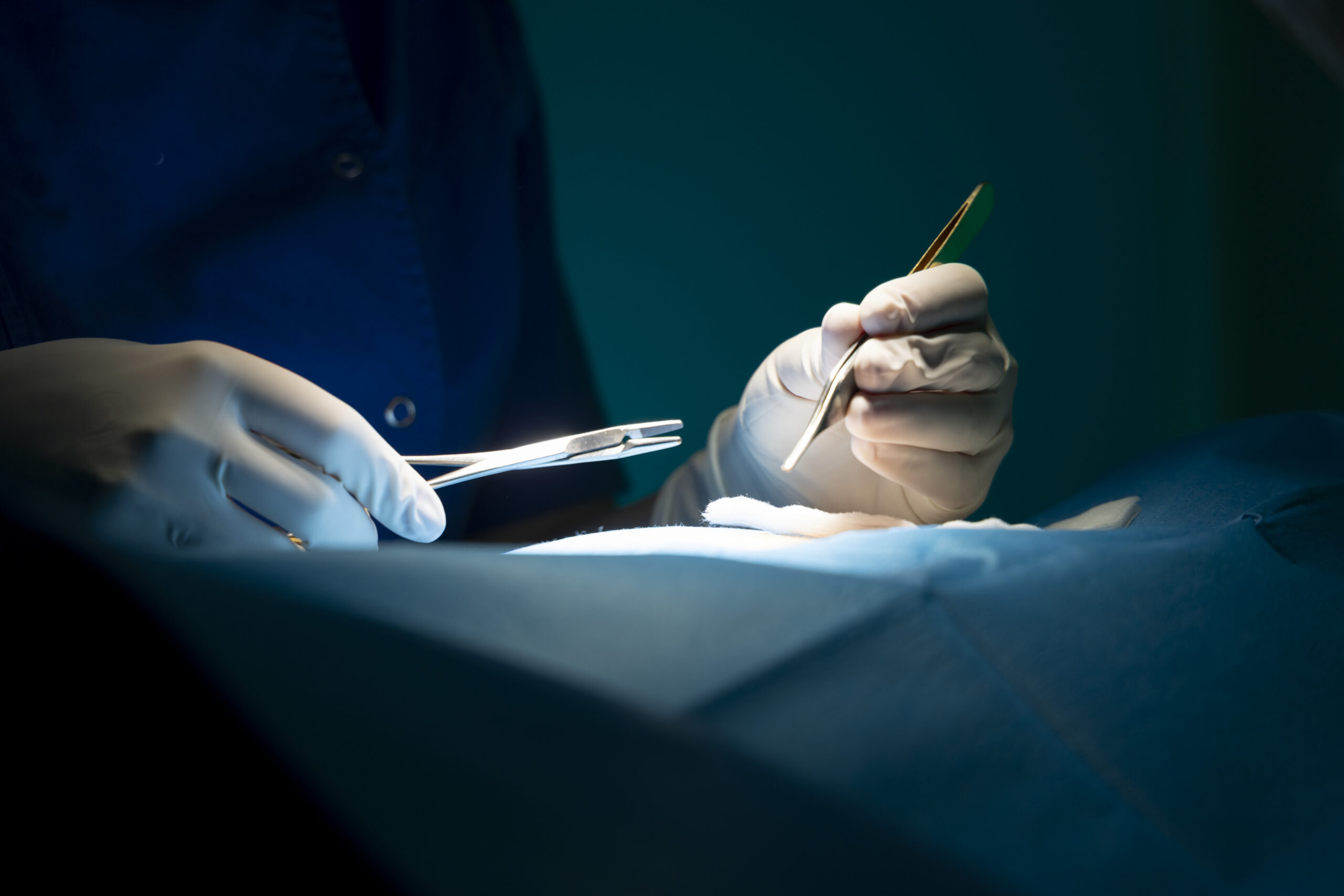
No fasting or colonoscopy-style bowel preparation is usually required. Patients should shower, eat breakfast, take usual medications unless otherwise instructed, and avoid shaving the treatment area. Blood thinners require medication review and should not be stopped without guidance from the prescribing clinician. A small enema may be used when instructed.
Explore Patient Information →
Clinic-based anorectal procedures are typically performed under local anesthetic injection. Procedures generally take about 5–30 minutes, with positioning and treatment determined by the condition and anatomy. Medicated gauze may be placed at the treatment site to help control bleeding, reduce discomfort, and support healing.
Explore Patient Information →
Patients are monitored in the recovery area for approximately 10–60 minutes before same-day discharge. The surgical dressing is generally kept in place until the following morning. Pain or discomfort may increase as the local anesthetic wears off, and patients receive instructions for pain control, bowel management, sitz baths, wound care, activity, and follow-up.
Explore Patient Information →
A structured pain-management plan helps reduce post-procedure discomfort, including pain with bowel movements and dressing changes. Most patients can be managed with over-the-counter and topical medications, with additional support when needed. Your provider will adjust the pain-management plan based on your procedure, symptoms, and stage of recovery.
Explore Patient Information →
Sitz baths usually begin the day after the procedure to support hygiene, comfort, and wound care. Use a sitz bath basin with lukewarm water and unscented Epsom salt after bowel movements. Your clinician will advise how often and how long to continue based on your stage of healing.
Explore Patient Information →
Restrictions depend on the procedure and your type of work. Avoid strenuous activities such as heavy lifting, swimming, and horseback riding as advised. Most office-based patients can return to work within 1–5 days, while physical jobs may require more time off. Out-of-town patients supported by additional instructions.
Explore Patient Information →
Have questions about your condition or a minor anorectal procedure? We’re here to help.
Having an anorectal minor surgical procedure can feel a little stressful, and it’s normal to have questions.
Your assessment is a good time to talk through the procedure, preparation, recovery, and anything you’re unsure about. Preparing well before the procedure and following your aftercare instructions can help support a smoother recovery and the best possible outcome.
Our clinical team works together to support you throughout the healing process. If you have any questions or concerns along the way, please reach out to your clinician.
.
What Happens Next?
After you submit the form, our team will contact you as soon as possible, provide any additional information you may need, and help schedule your appointment.
Different anorectal symptoms can have different causes. A focused assessment helps identify the condition, anatomy, severity, and which treatment or procedure may be appropriate.
Medical Review of bleeding, pain, prolapse, swelling, itching, drainage, bowel habits, duration, recurrence, and previous treatment.
External Examination to assess external hemorrhoids, thrombosis, fissures, skin tags, swelling, drainage, or other visible findings.
Digital Rectal Examination (DRE) when appropriate to assess the anal canal, tenderness, sphincter tone, masses, or other findings.
Anoscopy when appropriate to evaluate internal hemorrhoids, prolapse, bleeding, and other internal anorectal findings.
Further Investigation such as ultrasound or MRI may be arranged when clinically indicated, especially when an abscess, fistula, deeper tract, or another complex anorectal condition is suspected. Medically necessary diagnostic imaging may be covered through Alberta’s public health system for eligible patients.
Fees vary depending on the type and extent of the procedure, complexity of care, and follow-up needs. After your assessment, our team will explain the recommended procedure, estimated fees, and any additional care that may be required.
Flexible monthly payment plans are available through Beautifi, including 0% financing options for eligible patients.
Post-operative care may be eligible for reimbursement through your extended health insurance, depending on your individual benefits and coverage.
Please contact the clinic for more information.
The cost of hemorrhoid surgery depends on the type and extent of hemorrhoidal tissue being treated, the complexity of the procedure, and the follow-up care required. After your assessment, the provider will explain the recommended procedure and provide an estimated treatment cost. Flexible payment options are available through third-party financing partners.
Clinic-based hemorrhoid surgery refers to minor surgical procedures performed in an outpatient clinic under local anesthesia. It may be appropriate for certain external, mixed, thrombosed, or persistent hemorrhoids that require direct treatment or removal rather than banding or radiofrequency treatment.
No. A conventional hemorrhoidectomy is usually a more extensive surgical procedure and may be performed in a hospital or surgical centre. Clinic-based hemorrhoid procedures are intended for conditions that can be safely treated under local anesthesia in an outpatient setting.
Surgery may be considered for persistent external hemorrhoids, recurrent thrombosed hemorrhoids, selected mixed hemorrhoids, significant prolapse, or hemorrhoidal tissue that continues to cause pain, swelling, irritation, hygiene difficulty, or other symptoms despite less invasive treatment.
Yes. Symptomatic external hemorrhoidal tissue may sometimes be removed through a clinic-based procedure when appropriate. The provider will assess the size, location, symptoms, and surrounding anatomy before recommending treatment.
Not necessarily. Treatment depends on the anatomy, degree of prolapse, external component, symptoms, and previous treatment. Some Grade III internal hemorrhoids may be treated with banding or Rafaelo®, while more advanced or mixed disease may require a surgical approach or specialist referral.
Clinic-based minor surgical procedures may be considered for symptomatic external hemorrhoids, selected mixed hemorrhoids, thrombosed external hemorrhoids, persistent prolapse, anal skin tags, and selected chronic anal fissures with secondary tissue changes. Some superficial abscesses or superficial fistulas may also be treated when appropriate. More complex conditions are referred for specialist or hospital-based care.
Local anesthetic is used during clinic-based procedures. Some pain, swelling, burning, or discomfort is expected during recovery, particularly with bowel movements and wound care. A structured pain-management plan is provided, and most patients can be managed with over-the-counter and topical medications, with additional support when needed.
Recovery depends on the type and extent of the procedure. Many patients with office-based jobs return to work within approximately 1–5 days, while physically demanding work may require additional time. Activity restrictions and wound-care instructions are adjusted according to the procedure and stage of healing.
Blood thinners do not automatically exclude you from treatment, but they require careful review because they may increase bleeding risk. Do not stop prescribed blood-thinning medication on your own. Your provider may need to coordinate with the clinician who prescribed the medication before proceeding.
Yes. Out-of-town patients can contact the clinic before travelling to discuss their symptoms, treatment planning, expected recovery, and how long they may need to remain in Calgary. Additional travel and post-procedure instructions can be provided based on the procedure and individual needs.
Banding is generally used for selected internal hemorrhoids, while Rafaelo® may be considered for certain internal and prolapsing hemorrhoids. Clinic-based surgery is more likely to be considered when external tissue, mixed hemorrhoids, recurrent thrombosis, persistent prolapse, or tissue requiring direct removal is the main problem. An anorectal assessment helps determine which approach is most appropriate.
A focused anorectal assessment can help determine whether hemorrhoid banding, Rafaelo®, clinic-based minor surgical treatment, or specialist referral is the most appropriate next step based on your symptoms, anatomy, and clinical findings.