
Phone
Rockview Health Centre - Building 1, Calgary
Phone
Rockyview Health Centre – Building 1, Calgary

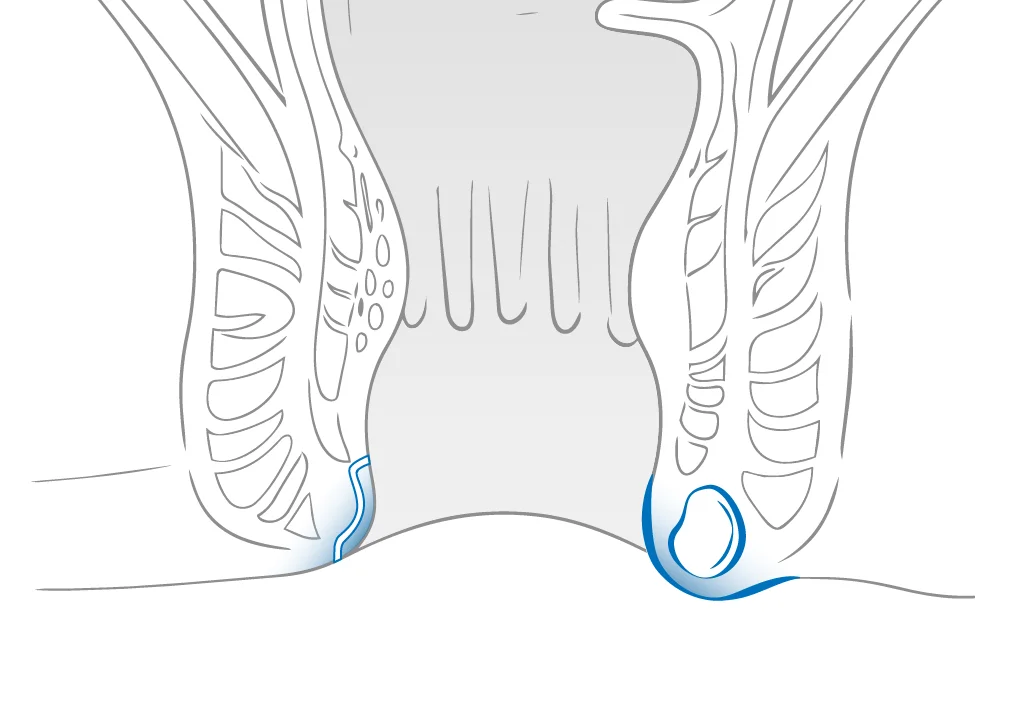
An anal lump or swelling may be caused by a thrombosed external hemorrhoid, prolapsed hemorrhoid, perianal abscess, anal skin tag, or another anorectal condition.
The size, tenderness, timing, colour, and whether the lump is associated with pain, bleeding, discharge, or bowel movements can help identify the likely cause.
At AC Hemorrhoids & Anorectal Centre in Calgary, we provide assessment and diagnosis of anal lumps or swelling and discuss treatment options based on the clinical findings.
A sudden tender lump may be caused by a thrombosed external hemorrhoid, while painful swelling with fever, discharge, or worsening tenderness may suggest an abscess or infection.
Different patterns may suggest different causes.
Common patterns include:
When to seek assessment:
A thrombosed external hemorrhoid can cause sudden pain and swelling near the anal opening.
Common patterns include:
When treatment may be considered:
Not every anal lump is a thrombosed hemorrhoid.
Other possibilities include:
Urgent/Emergency care:
We aim to provide accurate, respectful, and private assessment. Your visit may include:
Treatment depends on the underlying cause.
Treatment options may include:
A painful lump may be caused by a thrombosed external hemorrhoid, perianal abscess, swollen hemorrhoid, or another local anorectal condition.
A firm or hard tender lump may occur with a thrombosed external hemorrhoid. Other causes are possible, so persistent or unclear lumps should be assessed.
Yes. External hemorrhoids, thrombosed hemorrhoids, and prolapsed internal hemorrhoids may all feel like a lump or swelling around the anus.
A hemorrhoid may cause a tender lump, bleeding, or prolapse. An abscess is more likely to cause constant or worsening pain, swelling, tenderness, fever, or discharge.
Seek prompt medical care if the swelling is rapidly worsening or associated with severe pain, fever, significant discharge, heavy bleeding, or feeling very unwell.
Different anorectal conditions can look or feel similar. A focused assessment can help determine whether the lump is related to a thrombosed hemorrhoid, prolapsed hemorrhoid, skin tag, abscess, or another condition and identify the appropriate treatment.