
Phone
Rockview Health Centre - Building 1, Calgary
Phone
Rockyview Health Centre – Building 1, Calgary

Pain during a bowel movement may feel sharp, cutting, burning, or pressure-like. Common anorectal causes include anal fissures, thrombosed external hemorrhoids, irritated hemorrhoids, constipation-related trauma, and other local conditions.
The timing of the pain, whether it continues afterward, and whether there is bleeding, swelling, or a lump can help identify the likely cause.
At AC Hemorrhoids & Anorectal Centre in Calgary, we provide focused assessment for common causes of anal pain and discuss treatment options.
Persistent or worsening pain should not be ignored. Anal fissures are a common cause, but hemorrhoids, thrombosis, infection, and other anorectal conditions may also cause pain.
Different pain patterns may suggest different causes. Sharing details about the type, timing, location, and severity of your pain with your doctor or healthcare provider can help identify what may be causing it.
Common patterns include:
When to seek assessment:
Anal fissures commonly cause sharp or tearing pain during bowel movements.
Hemorrhoids may cause:
When treatment may be needed:
Not all hemorrhoids are painful. Internal hemorrhoids often cause bleeding or prolapse without significant pain.
Pain may occur with:
When to seek prompt assessment:
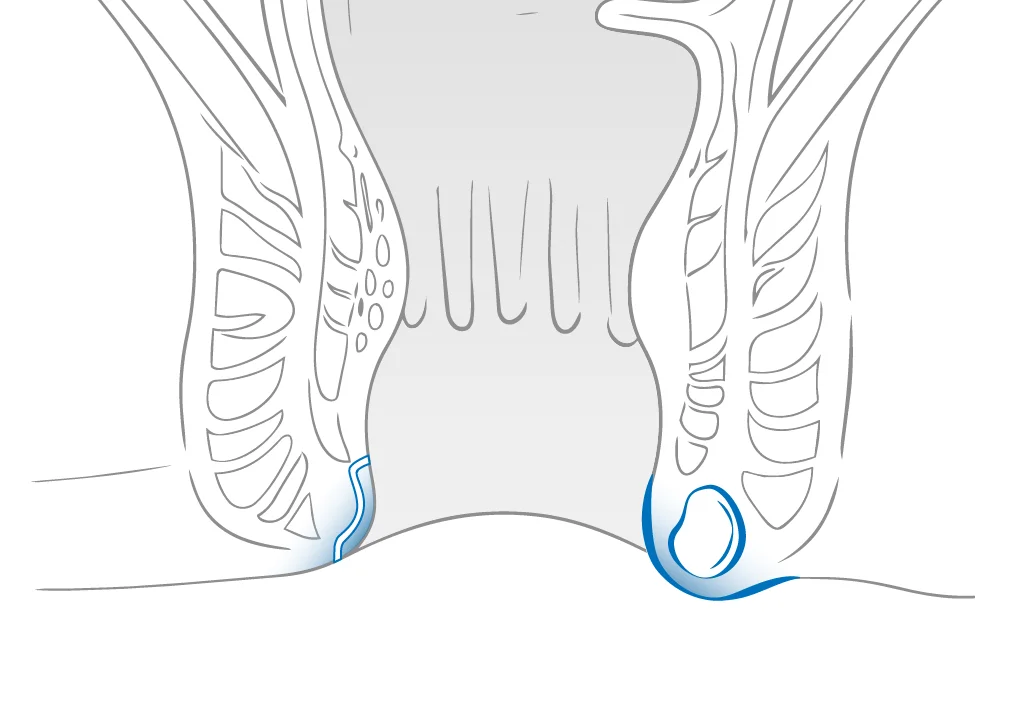
Your visit may include:
Treatment depends on the underlying cause.
Treatment options may include:
Common causes include anal fissures, thrombosed external hemorrhoids, constipation-related trauma, irritated hemorrhoids, and other anorectal conditions.
Sharp or tearing pain, especially when it continues afterward, is commonly associated with an anal fissure, but an assessment may be needed to confirm the cause.
Yes. Thrombosed external hemorrhoids and irritated prolapsed hemorrhoids may cause pain, swelling, or tenderness.
Lingering burning or spasm-like pain is commonly seen with anal fissures.
Persistent, worsening, or severe pain—especially with bleeding, swelling, fever, discharge, or a painful lump—should be assessed.
A focused assessment can help determine whether the pain is caused by an anal fissure, hemorrhoids, thrombosis, or another anorectal condition and identify the appropriate treatment.