
Phone
Rockview Health Centre - Building 1, Calgary
Phone
Rockyview Health Centre – Building 1, Calgary

Anal pain may feel sharp, burning, throbbing, aching, or constant. Common anorectal causes include anal fissures, thrombosed external hemorrhoids, perianal abscesses, irritation, and other local conditions.
The type, timing, severity, and whether the pain occurs with bowel movements, swelling, bleeding, or drainage can provide important clues.
At AC Hemorrhoids & Anorectal Centre in Calgary, we provide focused assessment for common causes of anal pain and discuss treatment options when clinically appropriate.
Severe anal pain can sometimes be caused by a thrombosed external hemorrhoid, anal fissure, perianal abscess, or another condition that may need prompt assessment.
Different pain patterns may suggest different causes. Sharing details about the type, timing, location, and severity of your pain with your doctor or healthcare provider can help identify what may be causing it.
Common patterns include:
When to seek assessment:
Both hemorrhoids and anal fissures can cause anal discomfort, but the pain pattern is often different.
Hemorrhoids may cause:
Anal fissures may cause:
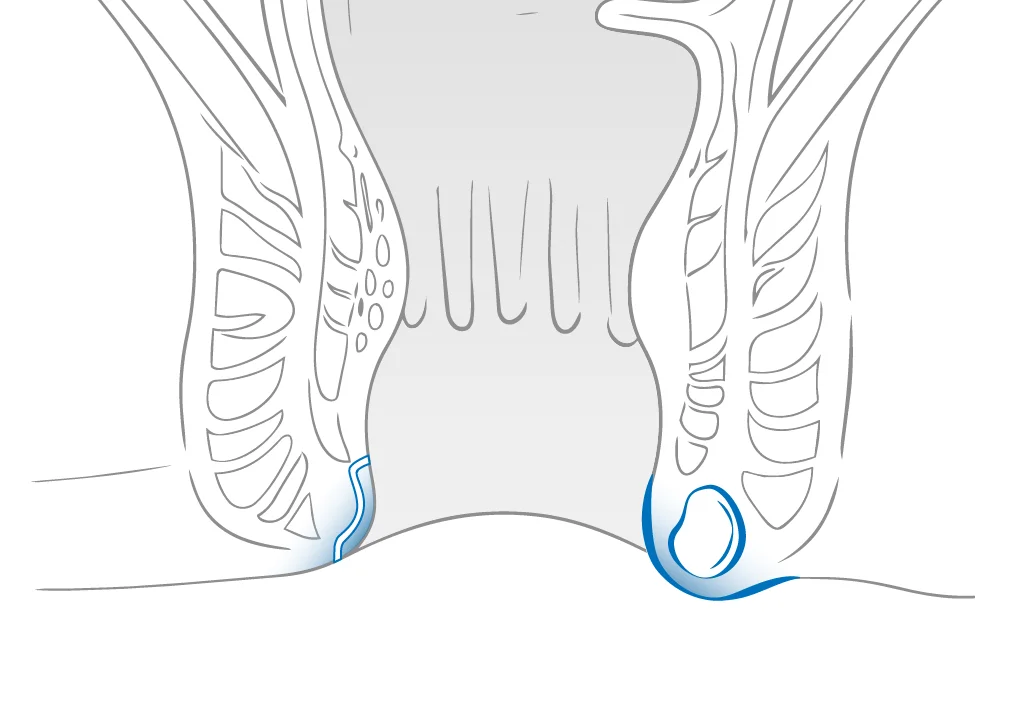
A perianal abscess may cause constant or worsening pain, often with swelling or tenderness near the anus.
Common patterns include:
When to seek prompt assessment:
We aim to provide accurate, respectful, and private assessment. Your visit may include:
Treatment depends on the clinical findings and the underlying cause of the pain. Management may range from conservative care to minimally invasive or clinic-based procedures.
Treatment options may include:
Severe anal pain may be caused by an anal fissure, thrombosed external hemorrhoid, perianal abscess, or another anorectal condition. Rapidly worsening or constant severe pain should be assessed.
Yes, but not all hemorrhoids are painful. Internal hemorrhoids often cause bleeding or prolapse, while thrombosed external hemorrhoids can cause sudden and significant pain.
Pain from an anal fissure may improve with measures that reduce spasm and make bowel movements easier. Depending on the clinical findings, treatment may include stool regulation, warm sitz baths, prescribed topical medication, and other fissure treatments.
For persistent or chronic fissures, additional treatment such as Botox® or a selected minor procedure may be considered. These treatments address the underlying fissure, but they do not provide guaranteed instant pain relief.
If the pain is severe, worsening, or associated with swelling, fever, or discharge, another cause such as an abscess should also be considered and assessed promptly.
A perianal abscess may cause constant, throbbing pain with swelling, tenderness, and sometimes fever or drainage.
Seek prompt medical care if the pain is severe or rapidly worsening, especially if it occurs with fever, significant swelling, drainage, heavy bleeding, dizziness, or feeling very unwell.
Different anorectal conditions can cause similar pain patterns. A focused assessment can help identify the likely cause and determine whether treatment, further investigation, or referral may be appropriate