
Phone
Rockview Health Centre - Building 1, Calgary
Phone
Rockyview Health Centre – Building 1, Calgary

Bothered by a skin tag around the anus?
A small lump or excess skin around the anus may be an anal skin tag. While usually harmless, anal skin tags can cause irritation, hygiene difficulty, discomfort, or cosmetic concerns.
At AC Hemorrhoids & Anorectal Centre in Calgary, we assess anal skin tags and offer in-clinic removal.
Benign anal skin tags can still be frustrating, even when they are not medically harmful. They may be especially bothersome when there are multiple skin tags or when excess skin extends around much of the anal opening.
They can cause difficulty with cleaning, irritation, moisture trapping, rubbing, discomfort, or cosmetic concern.If the skin tags are bothering you, an assessment can determine whether in-clinic removal is appropriate.
Anal skin tags often remain after previous swelling, stretching, or inflammation around the anus.
Why do anal skin tags develop?
Is My Anal Skin Tag Causing Problems?
Could It Be Something Else?
An assessment helps determine whether removal is appropriate and whether another condition should be treated first.
Removal May Be Considered When:
When Removal May Need to Wait:
Anal skin tag removal is a simple in-clinic procedure under local anesthesia, with minimal preparation and straightforward aftercare.
What to Prepare for Anal Skin Tag Removal?
What Happens During Anal Skin Tag Removal?
Recovery After Anal Skin Tag Removal:
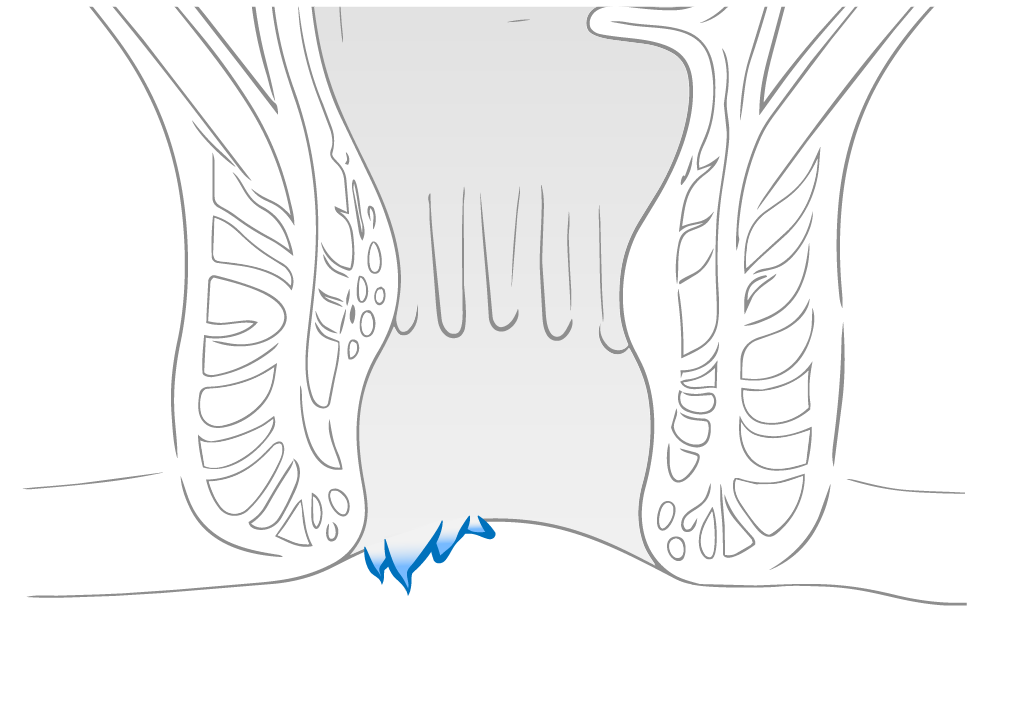
One localized tag around the anal opening.
Several tags that may require more careful treatment planning.
Excess skin involving much of the anal opening.
A tag associated with a chronic anal fissure.
Skin that remains after previous swelling or thrombosis.
A tag that becomes sore, swollen, or repeatedly irritated.
The goal is to confirm that the tissue is truly a skin tag and identify any underlying condition that may need treatment first.
Review of irritation, bleeding, hygiene difficulty, previous hemorrhoids or fissures, and how long the tag has been present.
Examination of the anal area to assess the size, location, number, and appearance of the skin tag.
To assess the anal canal and identify associated hemorrhoids, tenderness, scar tissue, or other abnormalities.
To assess internal hemorrhoids, fissures, prolapse, bleeding, or other internal findings.
Fees depend on the number, size, location, and complexity of the skin tags. A treatment estimate can be provided after assessment.
No. Skin tag removal is typically a minor procedure and does not require major surgery.
Treatment is based on your symptoms and preference after assessment.
Coverage varies by plan. Some extended health plans may reimburse consultation or eligible medical services, but cosmetic or elective removal is commonly not covered. Patients should confirm directly with their insurer.
The cost of anal skin tag removal can vary depending on the size, number of skin tags, and complexity of the procedure.
A detailed assessment is required to determine the most appropriate treatment and provide accurate pricing.
No. They are usually harmless but may cause discomfort or hygiene issues.
No. Removal is only considered if they cause symptoms or concern.
Local anesthesia is used to minimize discomfort during the procedure.
New tags may develop if underlying conditions persist.
Healing time varies depending on the size and location of the tag.
Follow-up may be recommended to monitor healing.
Hygiene concerns, or are unsure whether a skin tag requires treatment, a proper assessment can help clarify the cause and guide next steps.