
Phone
Rockview Health Centre - Building 1, Calgary
Phone
Rockyview Health Centre – Building 1, Calgary

Understand Your Symptoms and Diagnosis of Anal fissure
Our Calgary clinic assesses and treats acute and chronic anal fissures, including selected fissures with secondary tissue changes.
An anal fissure is a small tear in the lining of the anal canal. It commonly causes sharp pain during or after bowel movements and may also cause bright-red bleeding.
Some fissures heal with bowel regulation and prescription treatment, while persistent or chronic fissures may require additional treatment.
Sharp anal pain and bleeding can occur with several anorectal conditions. Hemorrhoids, abscesses, fistulas, irritated skin, and other lesions can sometimes cause similar symptoms.
If topical creams or prescription treatment have not worked, further assessment may be needed to confirm the cause and determine the next treatment option.
Anal fissures often develop when the lining of the anal canal is stretched or injured during a bowel movement.
Common triggers include:
Different fissures can produce different symptom patterns.
Do you have a newer or acute fissure?
Could it be a chronic anal fissure?
A fissure may start as a small tear but become difficult to heal when pain causes the internal anal sphincter to tighten. This can reduce blood flow and allow the fissure to reopen with each bowel movement.
Common reasons for delayed healing include:
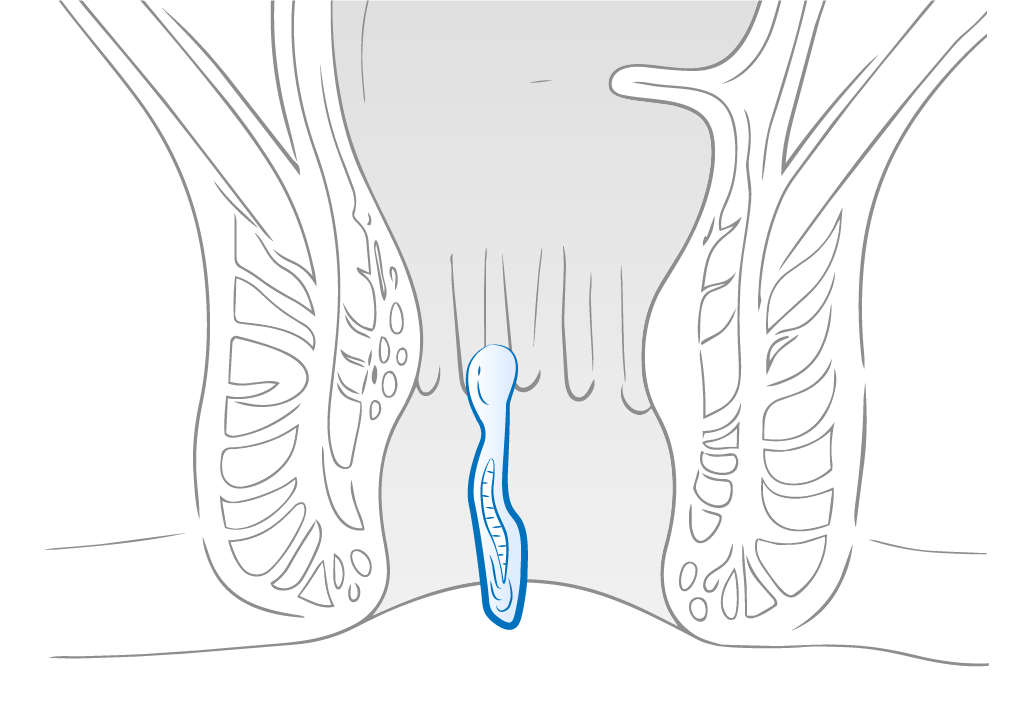
A recent fissure without established secondary tissue changes. Many acute fissures improve with stool regulation and medical treatment.
A fissure that persists or repeatedly reopens and may be associated with ongoing pain, sphincter spasm, or delayed healing.
A persistent fissure associated with an external sentinel skin tag near the fissure.
A chronic fissure associated with enlarged tissue inside the anal canal.
Long-standing fissures may develop thickened edges, fibrosis, or other secondary tissue changes.
Persistent drainage, swelling, recurrent infection, or an unusual tract may require further investigation to rule out an associated fistula or abscess.
Anal fissures are usually identified through the symptom history and a focused anorectal examination. The goal is to confirm the fissure, determine whether it is acute or chronic, and identify secondary changes or another condition.
Medical Review of pain, bleeding, bowel habits, symptom duration, and whether symptoms are recurring.
External inspection of the anal area to identify the fissure, swelling, sentinel pile, skin tags, or other visible findings.
Digital rectal examination (DRE), when appropriate, to assess the anal canal, tenderness, internal sphincter tone, scar tissue, areas of tightness around the anal verge, and the location of pain.
Anoscopy to assess the anal canal for bleeding, the extent of the fissure, hypertrophied anal papilla, discharge or pus, and other associated internal abnormalities.
Treatment depends on whether the fissure is acute or chronic, symptom severity, sphincter spasm, bowel habits, and whether secondary tissue changes are present.
Depending on the diagnosis, options may include:
Yes. Many recent fissures can improve with softer stools, reduced straining, and appropriate bowel care. Persistent or recurrent fissures may need medical treatment.
Many patients describe sharp, cutting, or tearing pain during a bowel movement, followed by burning or throbbing pain that can continue afterward.
The anal canal has sensitive nerve endings. A fissure may also trigger sphincter spasm, which can increase pain and reduce blood flow to the injured area.
A fissure may be considered chronic when it persists or repeatedly reopens and develops features such as scar tissue, a sentinel pile, or a hypertrophied anal papilla.
Yes. A chronic fissure may be associated with a sentinel skin tag at the outer end of the fissure.
Most anal fissures do not develop into fistulas or abscesses. However, persistent swelling, drainage, recurrent infection, or an unusual tract may suggest a separate or associated condition that requires further assessment.
Assessment is recommended when pain or bleeding persists, symptoms repeatedly return, treatment has not worked, or swelling, drainage, or other unusual symptoms develop.
An anorectal assessment at AC Hemorrhoids & Anorectal Centre can help identify the cause and determine the next treatment step.